
A Complete Guide to Installing New Pool Lights Like a Pro
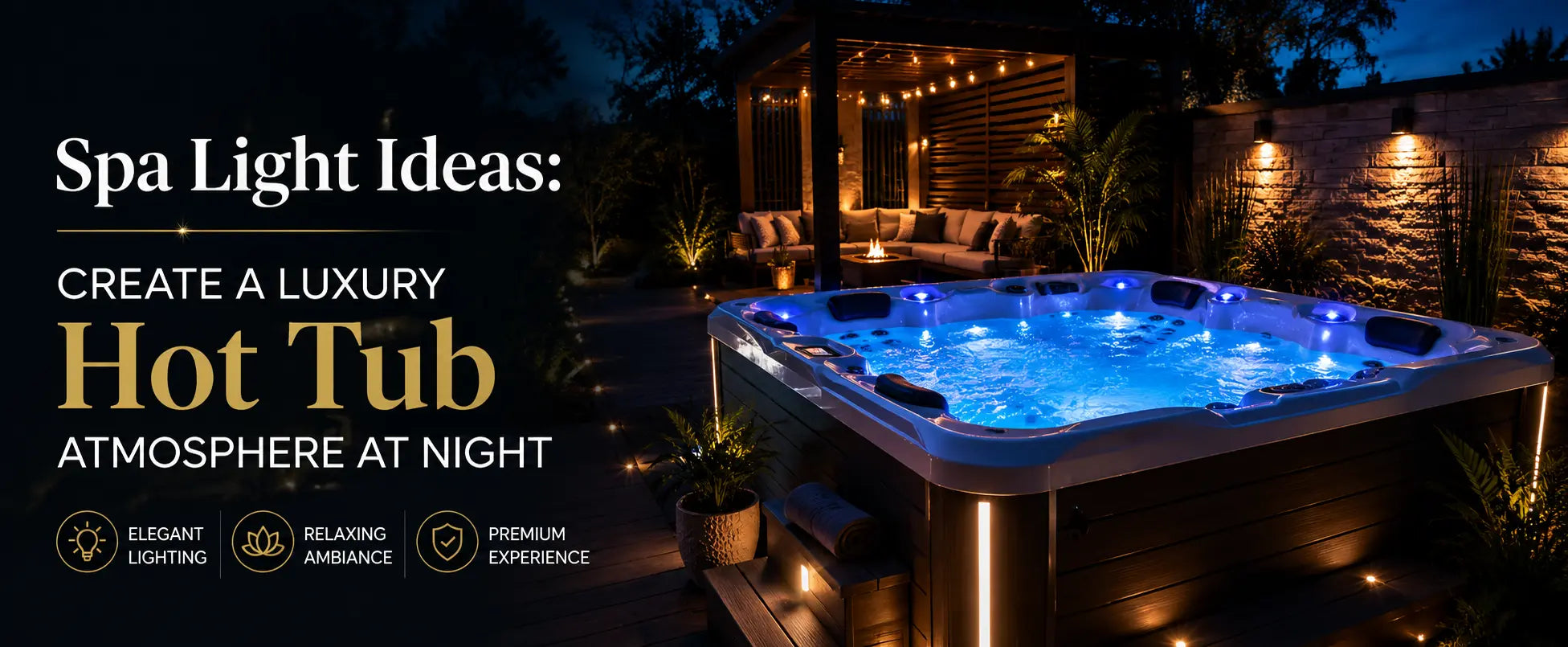
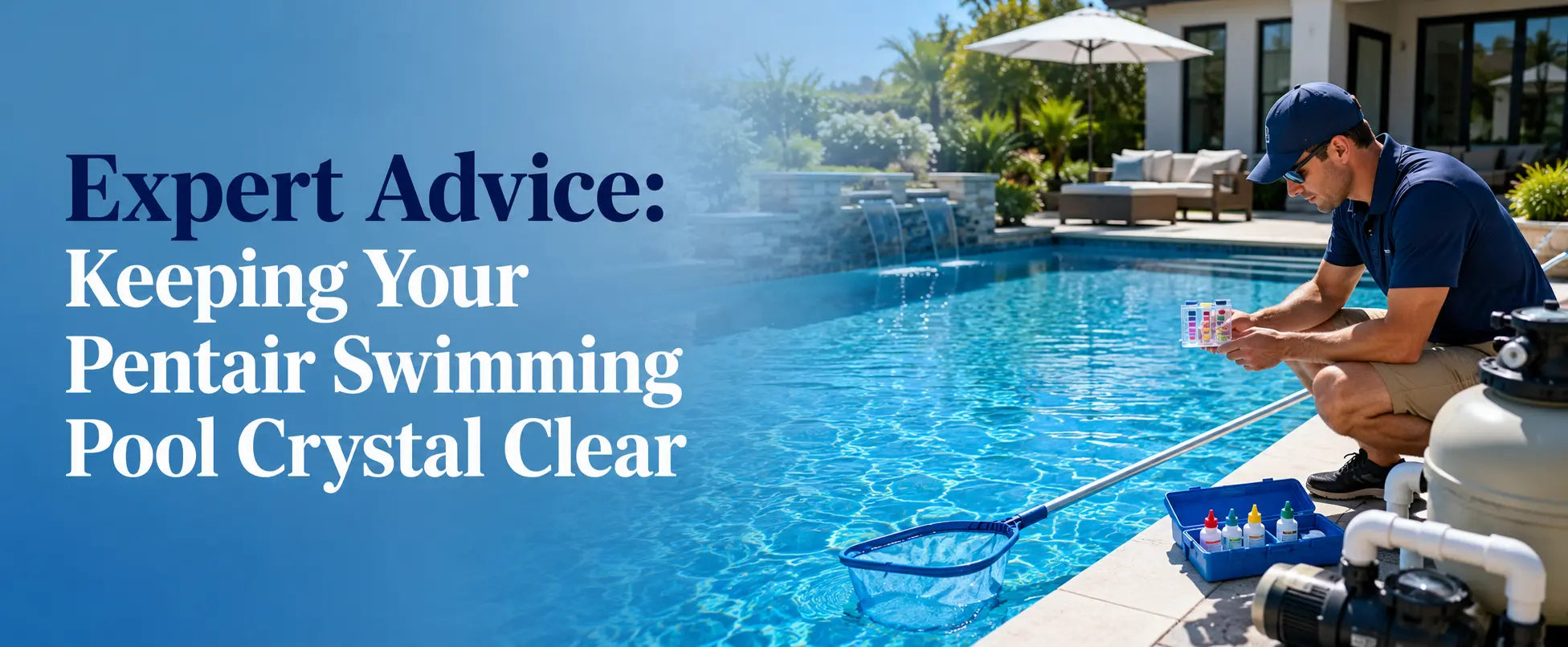
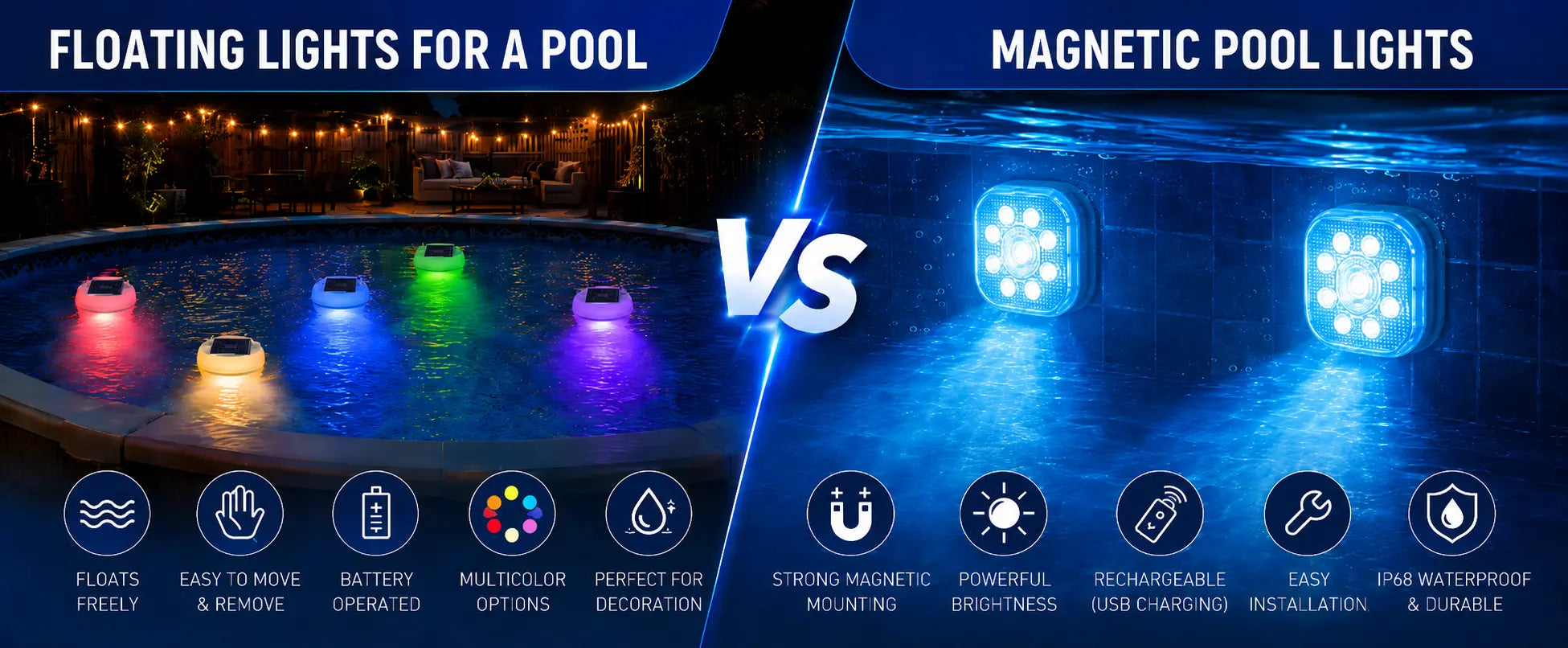
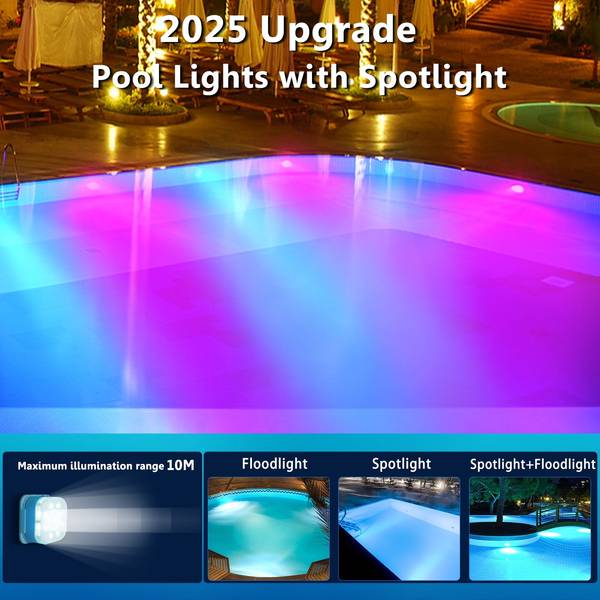
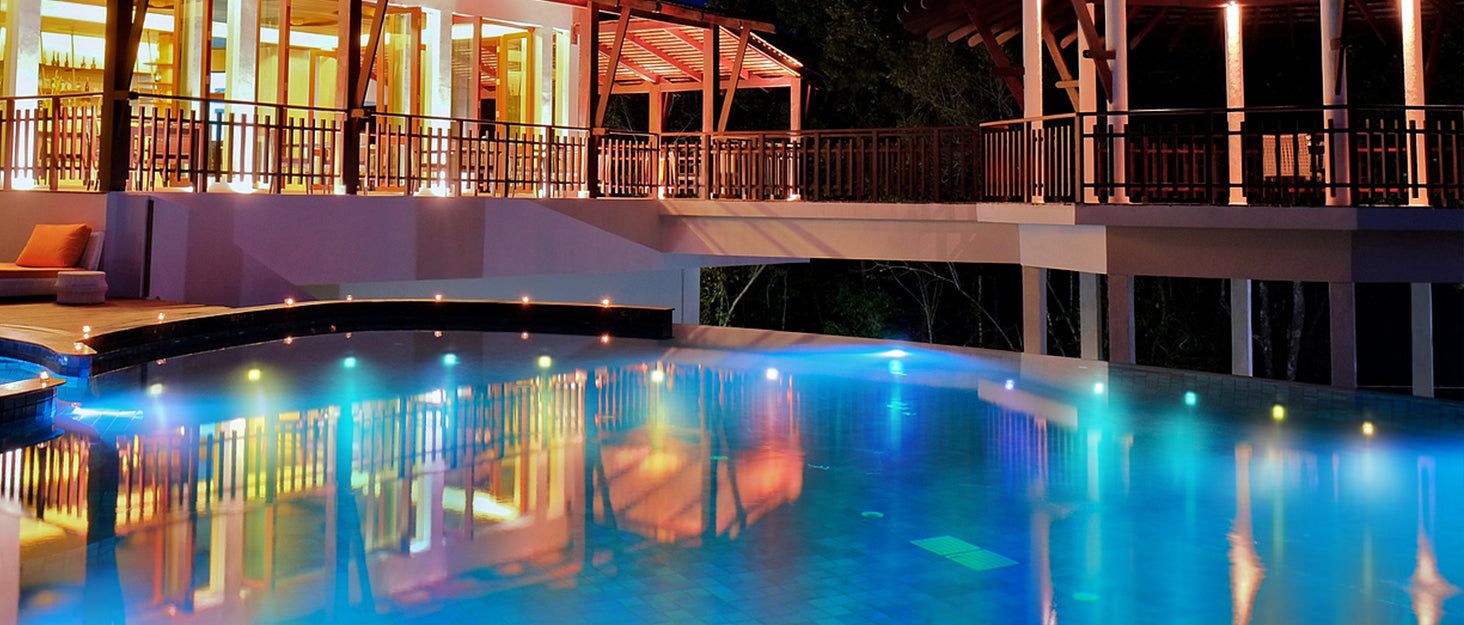
Pool lights can turn a backyard from “meh” to magazine‑worthy in one flip of a switch—but installing them? That’s where palms get sweaty. Wires, water, warranties… it feels like juggling fireworks over a swimming pool. You want that five‑star glow without frying a circuit or draining your wallet. Here’s the straight talk: the U.S. Department of Energy notes LED lighting uses at least 75% less energy and lasts up to 25 times longer than incandescent options. That’s not hype—that’s math. So if your pool still looks like a dark pond after sunset, stick around. We’re about to swap confusion for confidence and get your nights glowing like they should. Tools Checklist for Pool Lights Installation Getting Pool lights right is not just about looks; it’s about safety, durability, and smooth control. From wiring to sealing, every tool shapes how your pool light system performs. If you want swimming pool lights that last and glow evenly, this checklist keeps your pool lighting setup solid and stress-free. Low-Voltage Transformer and 12V Tester For safe Pool lights, voltage control is the backbone. Power Conversion Setup Install a low-voltage transformer near the main supply. Confirm correct transformer wiring connections. Check stable voltage output before linking any LED pool lights. Output Verification Use a 12V tester to confirm DC stability. Double-check with a voltage meter for precise readings. Keep a circuit tester handy for quick fault tracing. HL recommends pairing quality transformers with reliable testing tools to avoid flicker in underwater pool lights. IP68-Rated Cables and Corrosion-Resistant Connectors Water and power demand respect. Cable Selection Choose IP68-rated cables for full submersion. Use certified underwater cable rated for continuous immersion. Connection Protection Secure joints with waterproof connectors. Add corrosion-resistant connectors in saltwater pools. Reinforce with a splice kit and protective cable sealant. Good wiring keeps Pool lights stable, even in spas or fountains. Submersible Housing and Polycarbonate Lens Sealant Your pool light fixture lives underwater, so build it tough. A stainless submersible housing paired with a thick polycarbonate lens handles pressure and impact. Seal edges using lens sealant, tighten the housing gasket, and inspect every waterproof seal. Don’t forget the housing O-ring—a tiny part that stops major leaks. Solid sealing keeps Pool lights bright and dry inside. Remote Control and App Control Setup Tools Modern Pool lights are smart, and setup matters. Hardware Preparation Install the wireless receiver inside the control box. Connect the smart controller to the power line. Configuration Follow setup instructions carefully. Complete the pairing process between remote control and app control module. Feature Testing Test color change modes. Adjust brightness levels. Set timers for automatic pool lighting scenes. HL systems make syncing pool lights smooth, giving your swimming pool lights that clean, vibrant glow every night. 5 Steps to Prep Your Pool for Lights Getting ready for Pool lights isn’t just about swapping fixtures. Solid prep keeps your pool light system safe, bright, and long‑lasting. From managing pool water levels to checking wiring, every move sets up smoother installation for LED pool lighting and underwater lights. Step 1: Draining and Cleaning Around Mounting Niches Proper prep around the mounting niche keeps Pool lights secure and sealed. Lower the pool water using the drain valve until the work zone is dry. Use reliable cleaning tools for detailed debris removal. Focus on careful surface preparation before fitting any pool light housing. Inspect the niche edge for cracks. Clear sand, leaves, and buildup. Wipe the cavity completely dry. When working with HL Pool lights, clean surfaces help the gasket sit tight and prevent future leaks. Skipping this part? That’s asking for trouble. Step 2: Checking Stainless Steel and Polycarbonate Fixtures A solid light fixture starts with material integrity. Examine stainless steel housings Look for rust spots Check weld seams Review the polycarbonate lens Scan for hairline cracks Confirm clear visibility Confirm overall housing integrity through detailed corrosion check and damage assessment Good pool lighting depends on durable parts. Even premium Pool lights won’t perform if the outer shell is compromised. Step 3: Verifying IP68-Rated Waterproof Seals Seal failure is the silent killer of underwater lighting. Inspect each waterproof seal Confirm certified IP68 rating Perform close gasket inspection Check o-ring condition Reinforce the moisture barrier Ensure proper seating Validate overall seal integrity HL designs its Pool lights with tight sealing systems, but installation accuracy still matters. One twisted gasket can lead to moisture inside the LED chamber. Step 4: Testing Low Voltage and AC Powered Circuits Electrical prep keeps pool lights safe and steady. For low voltage systems Measure output with a voltage tester Run a continuity test on wiring connections For AC power setups Inspect the circuit breaker Confirm stable supply before powering pool light fixtures Stable current protects LED pool lights and extends lifespan. No flicker. No sudden shutdown. Step 5: Dry-Fitting RGB and Dimmable LED Units Before locking everything in, test placement. Position RGB lights carefully Adjust unit placement for full coverage Fine-tune light positioning along walls Test dimmable LEDs Check beam spread Organize cable management behind the housing Perform a complete dry fit without sealing Step back and review how your Pool lights illuminate the water. Balanced brightness makes night swims feel next level. With HL systems installed right, pool lighting turns an ordinary backyard into a sharp, glowing retreat. Do You Know Your Pool’s Electrical Requirements? Pool lights aren’t just about glow and vibes; they run on real math and real power rules. If your pool light setup isn’t sized right, your backyard fun can turn into flicker, overload, or worse. Let’s break it down in plain talk. Calculating 12V DC Powered vs. 120V AC Powered Loads When planning Pool lights, start with total power consumption and smart load calculation. The goal is safe, steady shine from every pool light installed. Understanding system types 12V direct current (DC) Lower voltage Increased electrical safety near water Requires external transformer 120V alternating current (AC) Higher voltage supply Direct grid connection Strict bonding and grounding rules Determining fixture demand Identify fixture type: LED, SMD, COB Add rated wattage of each light Multiply by total number of Pool lights Comparing efficiency and safety 12V systems reduce shock risk 120V systems may reduce wiring complexity For residential pool lighting, low-voltage DC is often preferred HL designs pool light systems that clearly label voltage, wattage, and compatibility, making your pool lights selection less of a guessing game. Transformer Sizing for Multiple LED Fixtures A transformer is the heart of low-voltage Pool lights. Undersize it, and you’ll see dimming. Oversize it wildly, and efficiency drops. Step 1: Calculate total LED wattage Add wattage × fixture count Include landscape or spa lighting if on same line Step 2: Add safety buffer Increase total by 10–20% as safety margin This protects transformer capacity during peak draw Step 3: Check technical limits Confirm output matches required voltage drop range Review efficiency rating of the power supply Installation check Keep cable runs short Use correct wire gauge Test full load before sealing connections HL pool lights are engineered to sync RGB systems smoothly, but proper transformer sizing keeps every underwater light stable and bright. Ground-Fault Protection and Corrosion-Resistant Wiring Water and electricity don’t play nice. That’s why protection layers matter for every pool light. Core protection system Install a ground fault circuit interrupter Provides instant GFCI protection Cuts power during leakage detection Follow local electrical code strictly Wiring durability Choose high-grade wiring material Use sealed underwater cable rated for submersion Prioritize tested corrosion resistance Environmental planning Account for humidity and chemicals as environmental factors Protect junction boxes from splash zones Inspect annually for wear Good Pool lights should shine, not shock. With proper GFCI setup and corrosion-proof wiring, your pool lighting stays safe season after season. HL supports compliant installations that keep every pool light performing strong without drama. Wiring vs. Wireless Pool Lights: Pros and Cons Pool lights can totally change the vibe of a backyard. The right pool lighting setup boosts safety, style, and late-night swims. From wired pool lights to wireless pool lights, here’s how each pool light option stacks up. Wired Pool Lights When talking about wired Pool lights, stability is the big win. These pool lights connect through a fixed electrical connection to a dedicated power source, often managed by a transformer for voltage control. Power & Performance 1.1 Electrical System Direct electrical connection ensures constant current. A step-down transformer supports low-voltage pool light safety. Proper grounding reduces shock risk. 1.2 Brightness Output Higher lumen levels suit in-ground pool lights. Ideal for flush mount underwater lighting. Installation & Safety 2.1 Technical Requirements Increased installation complexity due to conduit routing. Strict safety precautions during wiring. 2.2 Long-Term Reliability Fewer signal interruptions. Strong synchronization across multiple pool lights. Feature Wired LED Pool Lights Notes Typical Voltage 12V / 120V Via transformer Average Lumens 800–2500 lm High brightness Expected Lifespan 30,000–50,000 hrs Stable power source HL wired pool lighting systems are built for clean installs and steady output, making them a solid pick for permanent pool light setups. Wireless Pool Lights Wireless Pool lights are all about flexibility. No hard electrical connection, less drilling, less stress. Power Configuration 1.1 Energy Options Battery operated models for above-ground pool lights. Low-voltage rechargeable units. 1.2 Runtime Factors Battery size impacts brightness duration. Regular maintenance keeps performance steady. Control & Convenience 2.1 Smart Features Remote control or app-based pool lighting control. Color-changing LED pool lights with preset modes. 2.2 Mobility High portability for seasonal setups. Easy repositioning around the pool wall. Limitations 3.1 Technical Constraints Reduced lumen output compared to wired pool lights. Signal strength may drop with thick pool walls. HL wireless pool lights balance easy installation with reliable brightness, giving pool owners a chill, low-hassle way to upgrade their swimming pool lights without heavy wiring. How to Avoid Electrical Hazards Poolside Pool lights add vibe and visibility, but mixing water and electricity demands real caution. From smart fixture choices to steady maintenance, safe pool lighting keeps every swim relaxed, not risky. Use IP68-Rated Fixtures for Underwater Lighting When selecting Pool lights, focus on certified waterproof rating and build quality designed for the pool environment. Fixture Selection Confirm IP68 certification for true submersion. Ensures stable electrical safety under continuous water pressure. Choose corrosion-resistant housing. Stainless steel improves corrosion resistance in saltwater pools. Reinforced polycarbonate supports long-term fixture installation durability. Verify compatibility with transformers for submersible systems. Installation Considerations Seal conduit entries tightly to protect internal wiring. Position submersible lights below the waterline to prevent overheating. Test insulation resistance before powering on. HL designs LED pool light solutions engineered for harsh pool settings, helping swimming pool lights stay bright without compromising safety. Reliable pool lighting starts with proper materials, not shortcuts. Install Ground-Fault Circuit Interrupters (GFCIs) Electrical protection is non‑negotiable around water. Core Protection Layer Install certified GFCI protection on all nearby electrical outlets. Connect lighting circuits to a dedicated circuit breaker. Ensure compliance with national safety standards. Wiring Layout Separate lighting from pump lines within outdoor wiring routes. Keep junction boxes elevated and sealed. Label every breaker clearly for fast shutdown. Routine Testing Press the GFCI test button monthly. Replace units that fail instant trip response for proper shock prevention. HL systems integrate easily with modern pool lights setups, reducing risk across the entire pool lighting system. Schedule Timer Function and Synchronization Checks Smart control keeps Pool lights safe and efficient. Automation Setup Program precise timer settings for dusk-to-night cycles. Limit runtime to boost energy efficiency. System Coordination Align RGB synchronization across the full pool lighting system. Confirm steady voltage during color transitions. Ongoing Care Follow a quarterly maintenance schedule. Inspect controllers supporting lighting automation. Recalibrate timers after power outages. Well-tuned pool lighting prevents overload, keeps brightness consistent, and makes night swims feel easy. Safe Pool lights are not just about glow—they’re about control. Scenario: Nighttime Safety with LED Pool Lights Night swims are fun, but safety drops fast when visibility is poor. Smart Pool lights planning keeps every pool, spa, and deck area easy on the eyes and safe underfoot. From beam spread to mounting style, good pool lighting turns dark water into a clear, calm space. Enhancing Illumination Area with High Lumen Output When choosing Pool lights, brightness is more than just a number on the box. It’s about matching lumen output and beam angle to your pool size and water clarity. Higher lumen output increases overall brightness Wider beam angle expands coverage area Balanced light intensity reduces shadow zones For practical planning: Measure pool length, width, and depth. Check water transparency to assess light loss. Position each LED pool light to overlap beams slightly. Recommended Output by Pool Size Pool Size (m²) Suggested Lumen Output Beam Angle 20–30 1,500–2,000 lm 90° 30–50 2,000–3,000 lm 120° 50+ 3,000+ lm 120°–140° Underwater lighting works best when beams cross gently, not blast straight down. That overlap improves visibility and keeps the whole swim zone evenly lit. Adjusting Color Temperature for Clear Visibility Color matters. A lot. For safe pool lighting, focus on the color temperature shown on the Kelvin scale. Warm white (2700–3000K): cozy, softer edges Natural daylight (4000K): balanced clarity Cool white (5000K+): sharp but sometimes harsh Nested considerations for LED Pool lights: Visual clarity Neutral tones improve visibility enhancement Extreme blue shifts distort water color Safety perception Balanced light makes depth changes easier to read Overly saturated RGB reduces contrast Stick close to 4000K for most residential pools. It keeps underwater steps, drains, and edges easy to spot without turning the water icy. Surface Mount vs. Flush Mount for Safe Walkways Deck safety depends heavily on mounting type. Surface mount options sit slightly above ground: Easier installation method Flexible aiming May create minor obstruction if poorly placed Flush mount designs sit level with the deck: Cleaner aesthetics Lower trip risk Require precise sealing for walkway safety For pool and spa pathways, think in layers: Perimeter lighting Low-glare LED pool light fixtures Step lighting Recessed units for depth cues Transition zones Soft side lighting to avoid harsh contrast The right Pool lights setup doesn’t just look good. It quietly guides every step around the water. FAQs about Pool Lights What electrical setup is required before installing pool lights? Safe Pool Lights start with the right power plan: Power Source Use a Low Voltage 12V system supported by a properly sized Transformer. Choose AC Powered input with stable DC Powered output for LED or RGB fixtures. Safety Layer GFCI protection is essential near any In-ground Pool or Above-ground Pool. Waterproof, corrosion resistant wiring protects against moisture damage. Load Planning Add each fixture’s Lumen Output and wattage. Select a transformer rated 10–20% above total demand to prevent overload. When power is stable, lights shine brighter, last longer, and feel worry-free every night. Why are IP68 rated LED pool lights important for underwater use? Underwater lighting faces constant pressure, chemicals, and temperature shifts. An IP68 Rated fixture is fully Waterproof and built for long-term Submersible Underwater Lighting. Core protection elements: Stainless Steel housing – corrosion resistant in chlorine or saltwater Polycarbonate lens – impact resistant, clear, durable Sealed structure for Nicheless, Flush Mount, or Wall Mounted installs Inside, high-quality SMD or COB LED chips maintain steady Brightness, accurate Color Temperature, and reliable performance in pools, spas, or fountain lighting. Without proper sealing, even strong illumination fades quickly. Do RGB pool lights support color changing and smart control? Yes — modern RGB LED Pool Lights are designed for atmosphere and control. Feature What You Experience Color Changing Instantly switch moods for spa lighting or parties Dimmable Brightness Adjust glow based on pool size and Illumination Area Remote Control / App Control Manage settings without leaving your seat Synchronization Multiple Surface Mount or Nicheless lights move in harmony Timer Function Automatic on/off for energy savings Choose the right Beam Angle and balanced Lumen Output to light water evenly, reduce shadows, and create a calm, inviting night scene around your pool.
Expert Guide: Choosing the Best Submersible Led Lights for Ponds
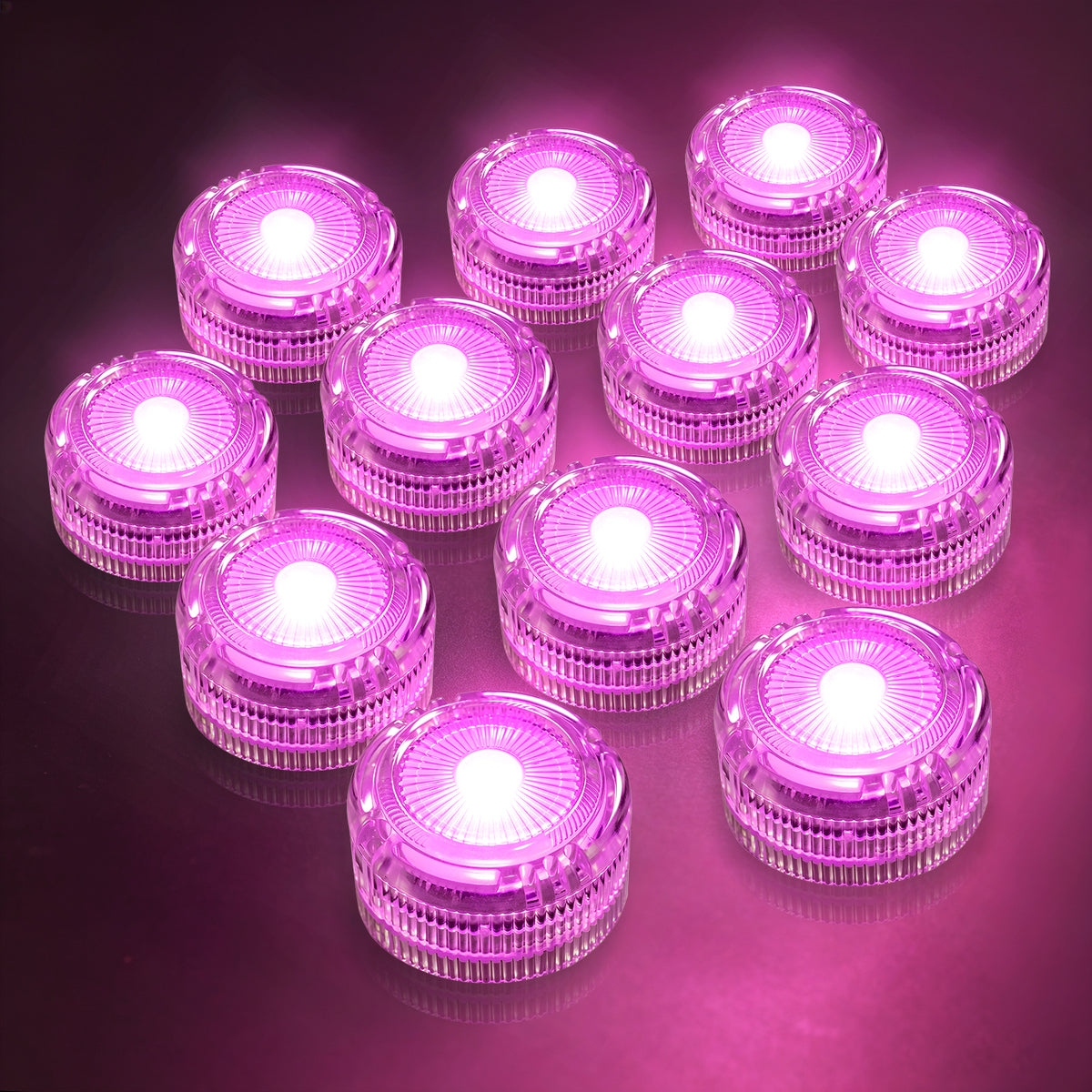
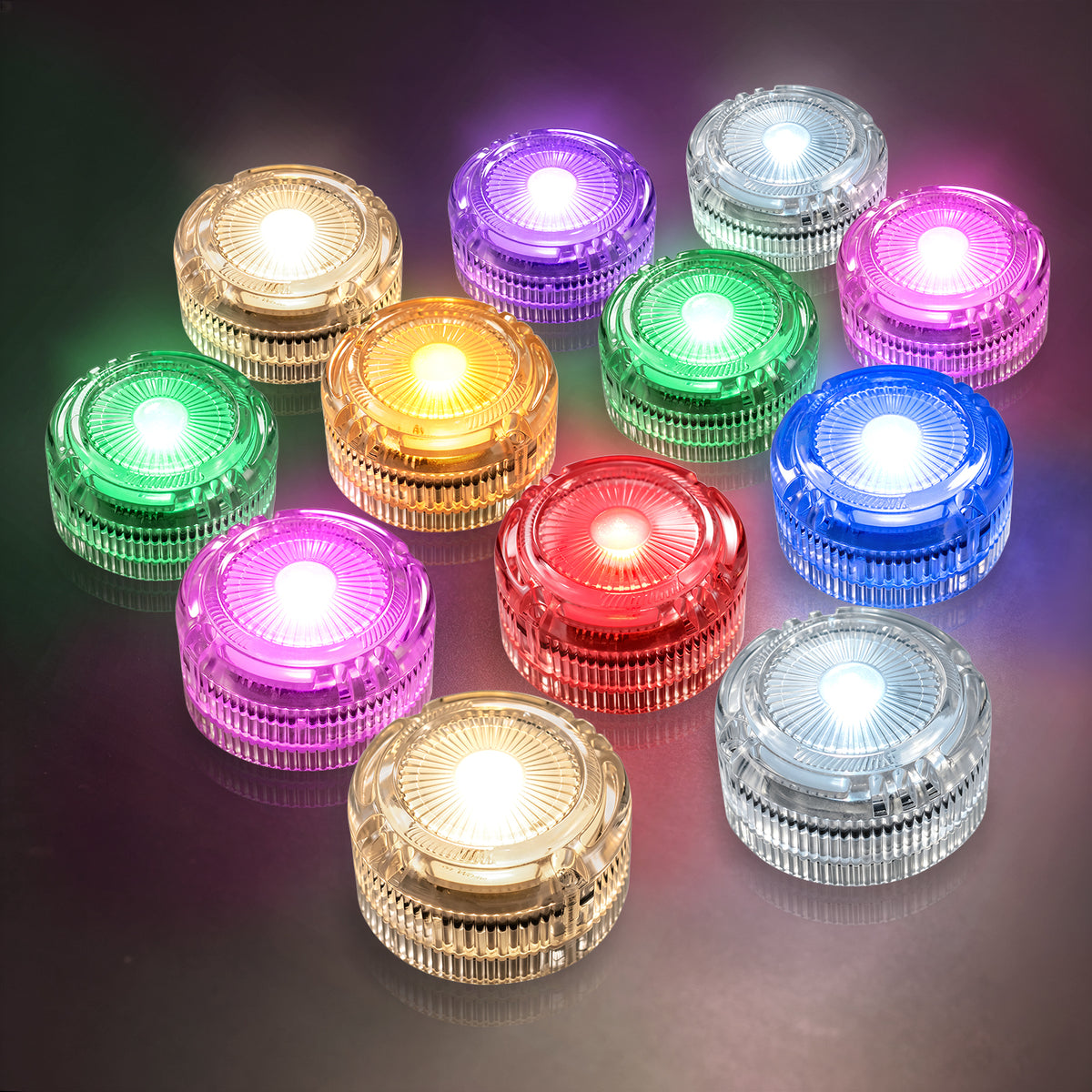
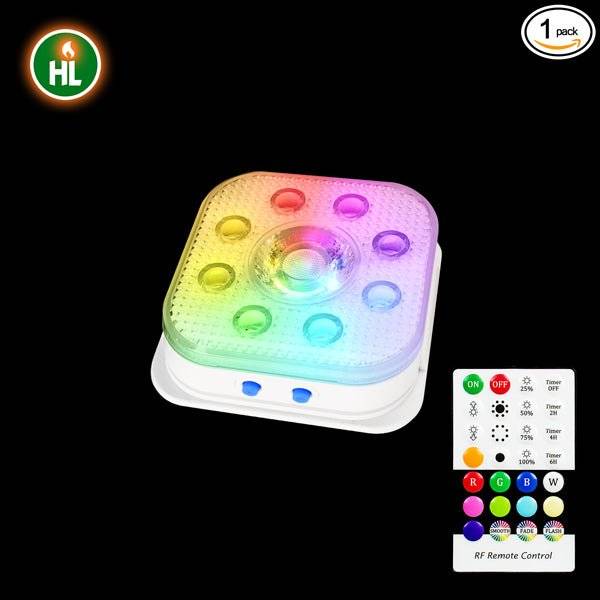
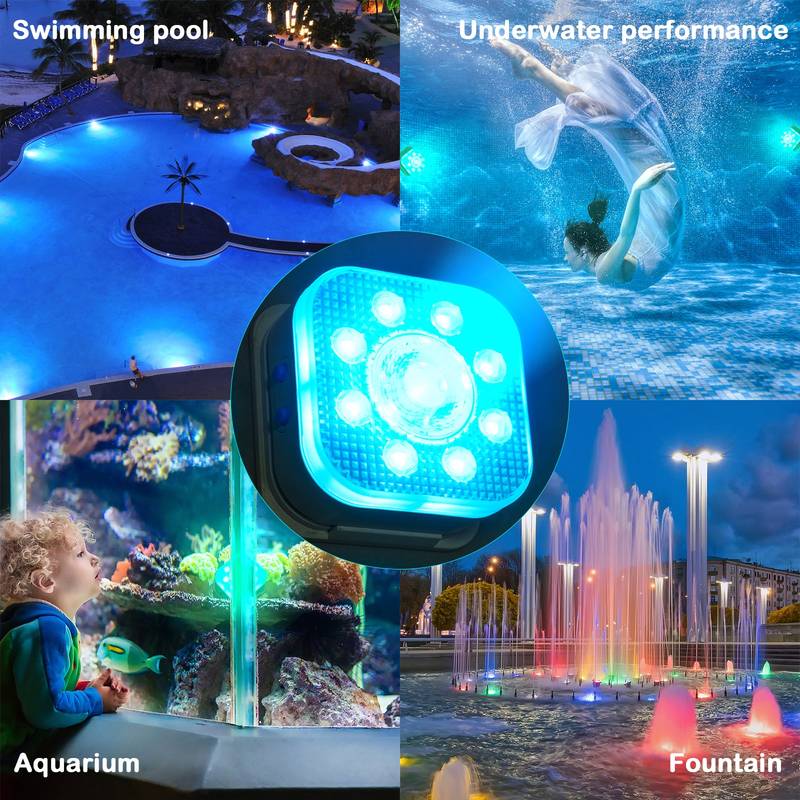
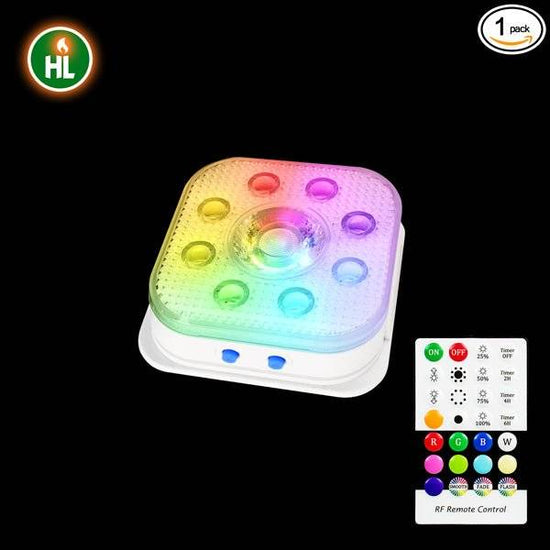
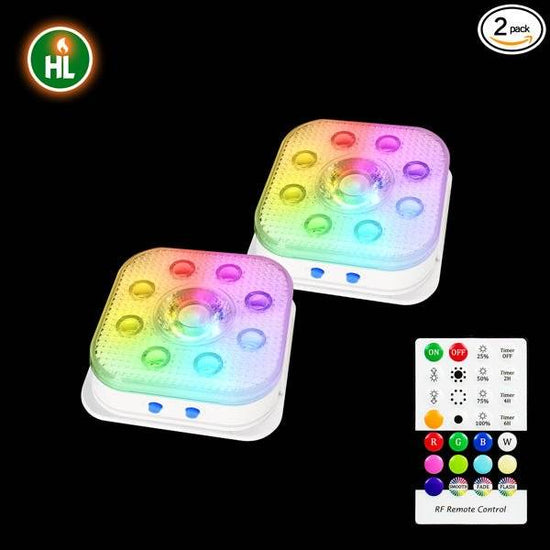
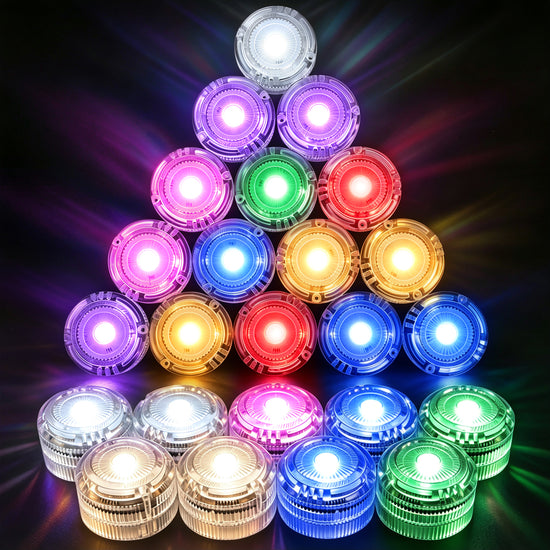
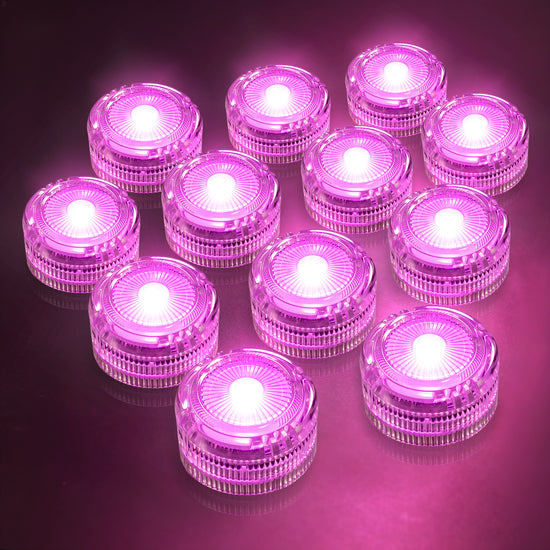
Submersible Led Lights can turn a plain backyard pond from “nice enough” to neighborhood show‑off in one flip of a switch. But here’s the rub: pick the wrong ones, and you’re fishing out foggy lenses, dead batteries, and regret faster than you can say “waterproof.” Most folks just want that glow—clean, colorful, dependable—without babysitting the setup every weekend. The U.S. Department of Energy reports LEDs use at least 75% less energy and last up to 25 times longer than incandescent lighting. That’s not hype; that’s hard data. So the real question isn’t about color modes or flashy remotes. It’s about durability, depth rating, beam spread, and battery stamina. Choose smart, and your pond hums like a well‑tuned band after sunset. Choose poorly, and it’s lights out—literally. Types of Pond Submersible LED Lights Submersible Led Lights break down into three simple ideas: submersible, LED, and lights. Put together, Submersible Led Lights mean safe underwater glow with low power draw and long life. Below are the most practical styles people actually use around ponds and water features. Floating RGB pond illumination units When it comes to floating lights for open water, this type of Submersible Led Lights keeps things easy and fun. Core build Lighting system High-output RGB color chips Sealed waterproof design rated for full submersion Durable housing for steady pond lighting Control features Handheld remote control Smooth fade and flash modes Adjustable brightness for subtle or bold effects Performance edge Works as decorative submersible LEDs Supports pools and small lakes Energy-saving LED lights for long evenings outside Many homeowners choose HL floating units because Submersible Led Lights from HL are simple to drop in, switch on, and enjoy. No wiring drama. Just color on the water. Magnetic-base fountain accent lights This style of Submersible Led Lights focuses on precision. Mounting structure Heavy-duty magnetic base Snaps onto metal fountain frames Holds firm under moving water Compact durable construction for long-term use Lighting purpose Targeted fountain lights for columns and jets Sharp accent lighting under spillways Clean beam control from sealed submersible LEDs Installation feels almost too easy: Clean the metal surface. Attach the magnetic base. Power on and adjust angle. HL offers this format for users who want controlled water feature lighting without drilling or brackets. Submersible Led Lights like these are built for fast upgrades. Suction-cup water feature lighting Designed for smooth surfaces, this version of Submersible Led Lights grips tight and stays put. Attachment system Industrial suction cups Press and lock onto tiles Suitable for glass or acrylic Flexible head with adjustable angle Application range Compact water feature lights Small pond accents and spa corners Efficient output from energy efficient LED light modules Short and simple: clean surface, press firmly, test hold. Done. Submersible Led Lights in this style are perfect for renters or seasonal setups. Rechargeable battery vase centerpiece LEDs These Submersible Led Lights are tiny but surprisingly powerful. Power setup Built-in rechargeable battery USB charging Cord-free placement True portable performance Usage ideas Table décor with vase lights Event-ready centerpiece LEDs Small aquarium or bowl décor Because the units are fully submersible, users get flexible event lighting without trailing cables. Submersible Led Lights from HL in this category work great for weddings, patios, and casual backyard nights. Simple gear. Bright results. 4 Reasons to Choose Submersible LED Lights Submersible Led Lights are no longer just pool add‑ons. From backyard ponds to hot tubs, these underwater lights bring color, safety, and efficiency in a way that feels effortless and fun. Enhanced ambiance with color-changing modes When it comes to Submersible Led Lights, vibe matters. Great lighting shifts an ordinary pond into full-on ambiance mode. Core lighting features color-changing modes Flash mode for party energy Fade mode for relaxed evenings Smooth transition for subtle mood lighting Remote-controlled brightness adjustments Custom timers for daily use Where the glow really shines pond lighting for garden features Hot tub mood upgrades Accent light for water bowls Why it boosts visual appeal Deeper water looks clearer Plants pop with layered RGB tones Night gatherings feel warmer With HL Submersible Led Lights, switching colors feels natural, not gimmicky. Just tap the remote and let the water reflect the mood. Reliable performance thanks to IP68 waterproof design Not all submersible LED lights survive long underwater. The difference sits in the IP68 waterproof rating and build quality. • Fully sealed housing • Strong water resistance in any pond environment • Designed for long-lasting performance The epoxy resin sealing and tough outer casing support real durability, not just marketing talk. In fountains or decorative pools, Submersible Led Lights from HL stay bright without flicker. According to the International Energy Agency’s 2024 lighting update, LED technology continues to dominate global installations due to its efficiency and durability in demanding environments. That trend shows up in underwater lighting too. Quick setup via magnetic base and wireless operation Convenience matters more than people admit. Installing Submersible Led Lights should not feel like a weekend project. Mounting system magnetic base for metal surfaces Optional suction cups Control system wireless operation Handheld remote User experience Clear manual Tool-free easy installation Setup flow: Position lights in your pond setup Secure using magnet or suction Sync remote Adjust brightness Done. That’s real convenience. Energy-efficient lighting with low voltage certification Power bills shouldn’t spike because of nice lighting. Submersible Led Lights built on advanced LED technology focus on energy efficiency from the start. Electrical safety low voltage design Certified for safe outdoor use Compliance CE certification RoHS compliant FCC approved Performance benefits Reduced power consumption Longer runtime Stable output for pond lighting HL keeps safety and efficiency tight, so your Submersible Led Lights deliver glow without draining energy. Bright water. Low stress. That’s the sweet spot. How Much Wattage Do You Need? Getting the wattage right can make or break your setup. Too low, and your Submersible Led Lights look dull. Too high, and your battery drains fast. When working with submersible, LED, and lights designed for ponds or fountains, power planning keeps everything glowing without constant charging drama. Estimating power source and battery life requirements When sizing Submersible Led Lights, power math matters more than hype. Start with core electrical factors: Wattage determines total power consumption. Voltage affects compatibility with drivers and adapters. Amperage shows current draw under load. Then evaluate battery details: Battery capacity (mAh or Ah) Higher capacity → longer runtime Lower capacity → lighter system, shorter use Expected daily operation hours 4–6 hours for accent ponds 8–10 hours for event lighting Compare power source options: Plug-in transformer Rechargeable lithium pack Solar system Check solar panel output against total power consumption Allow 20–30% buffer for cloudy days For example, if your underwater LED lights draw 12W at 12V, that’s 1A of amperage. A 10Ah battery could theoretically power it for around 10 hours. Real-world losses trim that down, so plan smart. Good lighting isn’t about guessing. It’s about matching numbers to actual use. Matching LED quantity to desired beam angle More LED count usually means more lumens, but placement changes everything. If you want tight fountain sparkle, go for: Narrow beam angle (15°–30°) Higher light intensity Focused light spread For pond glow or pool ambiance: Wider beam angle (45°–120°) Broader coverage area Balanced light output Three quick checks help: Measure pond width. Decide focal point or wash effect. Match LED type to depth and clarity. Submersible Led Lights with clustered chips create punchy highlights. Spaced diode layouts soften the effect. Submersible LED fixtures placed closer together increase overlap, reducing dark patches. Don’t chase brightness alone. The right balance of lumens and beam shape makes Submersible Led Lights feel intentional, not overwhelming. Balancing brightness adjustment with runtime Smart control stretches battery life without killing the vibe. Use dimmable LEDs instead of fixed-output models. 100% brightness levels for events 60–70% for everyday ambiance Activate built-in settings: Power saving mode Cuts excess draw Supports runtime extension Timed shutoff cycles Align lighting with real usage patterns: Evening gatherings → higher light output Late-night calm → lower intensity Reducing brightness by just 30% can noticeably improve energy efficiency and extend runtime by hours. Submersible Led Lights don’t need to blast at full strength all night to look good. Dial it back. Let submersible LED lights work smarter, not harder. That’s how you keep the glow steady without draining your setup dry. Waterproof vs. Water-Resistant Lights Submersible Led Lights look similar at a glance, yet the difference between full waterproof and basic water resistance is a game changer. If you're shopping for LED lights for water, pond LED lights, or decorative submersible lighting, knowing how deep and how long the light can stay underwater really matters. Let’s break it down in plain talk. Waterproof lights When discussing Submersible Led Lights built for serious water use, the focus lands on engineering depth and sealing integrity. These underwater LED lights are designed for direct immersion and often survive long-term submersion without performance loss. Core Protection System 1.1 Sealing Technology Epoxy resin sealing forms a solid barrier around circuits. A hermetic seal prevents internal condensation. Fully enclosed wiring supports a fully sealed body. 1.2 Structural Defense Shatter-resistant outer shell. Reinforced lens for pressure control. Built as submersible fixtures for depth stability. IP Rating Breakdown 2.1 IP68 rating meaning 6 = total dust protection. 8 = approved for continuous underwater use. 2.2 Practical Application Ponds Pools Aquarium décor Permanent fountain bases Real-World Performance Designed for direct immersion in water features. Maintains brightness under long-term submersion. Ideal for Submersible Led Lights installed below waterline permanently. According to Grand View Research’s 2025 LED industry update, demand for permanent underwater lighting in residential landscaping continues to rise, driven by durability standards and IP68-certified product preference. Brands like HL build Submersible Led Lights with reinforced sealing systems, so users aren’t swapping fixtures every season. If the light lives underwater 24/7, waterproof isn’t optional—it’s survival. Water-resistant lights Water-resistant Submersible Led Lights are made for splash zones, not deep dives. These LED submersible lights tolerate occasional exposure, not constant underwater pressure. Here’s where they shine: Splash-proof housing handles rain and spills. Built for surface mounting near fountains. Designed for damp environments like patios. Often rated IPX4 rating, meaning protection from splashing water only. Think vase centerpieces, wedding décor, or decorative bowls. Submersible Led Lights labeled water-resistant can sit in shallow water briefly, but extended direct immersion risks internal damage because there’s no hermetic seal. A quick comparison mindset helps: Waterproof = full underwater LED lights with IP68 rating. Water-resistant = moisture protection, not depth protection. Waterproof supports long-term submersion. Water-resistant supports light splashes. HL also offers decorative Submersible Led Lights suited for controlled moisture areas, giving buyers options without overspending on heavy-duty specs. If the plan includes permanent pond LED lights, go waterproof. If it’s table décor with a bit of water flair, water-resistant works just fine. Algae Control: Optimize Submersible LED Lights Submersible Led Lights look awesome in ponds and pools, but without smart control, algae can quickly take over. A good setup keeps water clear, plants happy, and lighting sharp. With Submersible Led Lights tuned right, you get glow without the green mess. UV-resistant casing to inhibit algae growth When choosing Submersible Led Lights, the outer build matters just as much as brightness. Focus on UV protection and long-term material durability to reduce surface breakdown. Light Housing Design High-grade light housing made from reinforced ABS Resists cracking from constant water exposure Minimizes rough surfaces where algae cling Smooth exterior finish Supports easy cleaning Improves algae prevention Performance in the Pond Environment Stable casing reduces micro-fractures Fewer algae attachment points Maintains clarity in the pond environment Better light transmission Cleaner look for underwater LED lights HL Submersible Led Lights use sealed construction that limits seepage and slows material fatigue. That small detail makes a big difference over months of use. Timer function for controlled light exposure Light running all night? That’s an open invite for algae. Smart Submersible Led Lights rely on photoperiod control to protect pond health. Lighting Schedule Setup Set daily lighting schedule to 6–8 hours Align with natural daylight patterns Adjust during hotter months Automated Operation Benefits Built-in timer enables automated operation Stable light cycles Reduced algae bloom prevention risks Conserves power in LED pond lights Consistent timing supports plant balance and keeps Submersible Led Lights working with nature, not against it. Static colors and fade modes for balanced ecosystems Flashing colors may look fun, but constant intensity shifts stress aquatic life. Submersible Led Lights with steady tones are easier on the system. Color Spectrum Control Choose fixed blue or soft white within safe color spectrum ranges Moderate light intensity to limit overexposure Ecosystem Balance Strategy Static mode Encourages stable plant growth Supports long-term ecosystem balance Gentle fade mode Smooth transitions Enhances visual appeal and mood lighting HL Submersible Led Lights offer calm transitions instead of harsh flashes. Used wisely, Submersible Led Lights don’t just decorate water—they help maintain a clean, balanced environment. FAQs about Submersible Led Lights What makes Submersible Led Lights ideal for pools and ponds? Submersible Led Lights are built for full underwater performance, not just splash resistance. Waterproof strength: IP68 rating with epoxy resin sealing keeps water out completely. Durable body: ABS plastic housing, corrosion resistant, UV resistant, and finished with a shatterproof casing. Secure placement: Suction cups or magnetic base provide secure attachment for pond illumination and fountain accents. From calm aquarium decoration to vibrant pool lighting, RGB colors, fade mode, flash mode, and smooth transition effects create expressive water feature lighting with safe, low voltage, energy efficient operation (CE certified, RoHS compliant, FCC approved). How do I choose the right Submersible Led Lights for my setup? Selection depends on space, brightness, and power preference. Application scenario Small vase centerpieces or hot tub ambiance → compact units with rechargeable battery and wireless operation. Large pool lighting or pond illumination → higher LED quantity and wider beam angle. Technical match Check battery life and power source for expected runtime. Look for multiple light modes: static colors for calm settings, color changing for lively fountain accents. Control preference Remote control and brightness adjustment allow quick mood changes without entering the water. A quick review of the user manual ensures easy installation and proper floating capability if required. Do Submersible Led Lights require complicated installation or maintenance? Not at all—most designs focus on simplicity and safety. Easy installation with suction cups or magnetic base Wireless operation powered by rechargeable battery Built-in timer function to manage light exposure Floating capability for flexible water feature lighting Routine care is minimal: rinse after heavy use and inspect seals occasionally. With solid waterproof design and durable materials, these lights maintain steady glow for aquarium decoration, pool lighting, and serene hot tub ambiance without constant attention.
The Top 10 Impacts of Traditional Candles: Analyzing Cost, Safety, and Environmental Impact
Traditional candles have long been popular tools for decoration and creating ambiance, playing an important role in homes and events around the world. However, with increasing awareness of environmental and safety concerns, we are starting to realize the potential negative impacts of traditional candles. This article will analyze the top 10 impacts of traditional candles from the perspectives of cost, safety, and environmental concerns, and provide effective solutions that help consumers and businesses use candles in a more cost-effective and eco-friendly way. 1. Fire Hazards Impact: Traditional candles require an open flame when lit, which poses a significant fire risk. According to the National Fire Protection Association (NFPA), candles are one of the leading causes of home fires in the U.S., with thousands of fires, property damage, and even fatalities occurring every year due to candle use. Solution: Replace traditional candles with flameless candles. These candles use LED lights as a light source, eliminating the open flame risk while providing the same ambiance effect. Reference Link: NFPA on Candle Fires 2. Air Pollution Impact: When lit, traditional candles release smoke and harmful substances such as benzene and toluene into the air. These substances are considered known carcinogens and can negatively affect indoor air quality, especially in closed spaces. Solution: Opt for smokeless candles, such as soy wax candles. These candles burn cleanly without emitting smoke and release far fewer chemicals compared to traditional paraffin wax candles, thus minimizing air pollution. Reference Link: Air Quality and Candle Safety 3. High Cost of Candles Impact: Traditional candles are typically made from paraffin or beeswax, both of which can be expensive. Frequent use of candles increases operational costs for both households and businesses. Solution: Use LED candles as replacements. While the initial purchase cost may be slightly higher, LED candles require no replacement wicks or wax, reducing long-term maintenance costs. Additionally, LED candles typically have a longer lifespan, lowering the need for frequent replacements. 4. Energy Waste Impact: Traditional candles are a form of inefficient energy use. The heat generated from the burning candle is mostly wasted, especially in environments with improper ventilation. Solution: Choose high-efficiency candles, such as plant-based wax candles (e.g., soy wax, palm wax). These candles burn longer and more efficiently, reducing energy waste. 5. Release of Harmful Chemicals Impact: Many traditional candles are made from paraffin wax. When burned, paraffin wax releases harmful substances like benzene and toluene, which are considered carcinogens. Solution: Opt for natural wax candles such as soy wax, beeswax, or palm wax, which do not emit harmful chemicals when burned, making them safer for both people and the environment. 6. Environmental Pollution Impact: The packaging and production process of traditional candles can contribute to environmental pollution. Plastic packaging, production waste, and unsustainable sourcing of wax contribute to the overall ecological footprint. Solution: Choose candles with eco-friendly packaging and sustainable wax options. Encourage consumers to buy reusable candles, which reduce the need for disposable products and waste. 7. Candle Extinguishing Too Soon Impact: Traditional candles often extinguish prematurely due to wind or improper air circulation. This is especially a problem when using candles outdoors, where their burn time can be shorter than expected. Solution: Use windproof candles or candle holders with covers that protect the flame from the wind. Alternatively, flameless LED candles can be a great option as they are unaffected by wind and offer a longer-lasting solution. 8. Limited Usability in Various Environments Impact: Traditional candles are typically only suitable for safe indoor environments, and they may not perform well in outdoor or damp conditions. Solution: Choose outdoor-rated LED candles, which can be used in various weather conditions, providing more versatility for different environments. 9. Overconsumption and Waste Impact: The production and consumption of traditional candles contribute to significant resource waste. Every year, millions of candles are used and discarded, contributing to unnecessary waste. Solution: Consumers can opt for rechargeable LED candles, which can be used repeatedly, reducing the need to purchase and discard candles each year, thus minimizing resource waste. 10. Health Risks for Sensitive Groups Impact: The smoke and chemicals released by traditional candles can be harmful to individuals with asthma, allergies, or other respiratory sensitivities, especially when candles are used in confined spaces. Solution: Recommend smokeless candles, such as LED candles or plant-based wax candles, which do not produce smoke or harmful chemicals, making them safer for sensitive individuals. Conclusion While traditional candles provide beautiful light and a romantic atmosphere, their costs, safety issues, and environmental impact present growing challenges in modern life. By switching to flameless candles, LED candles, soy wax candles, and other eco-friendly alternatives, we can enjoy the same ambiance without compromising on safety, environmental health, or cost-efficiency. Choosing eco-friendly, safe candle products will bring more benefits to our homes and the planet. Reference Materials: National Fire Protection Association on Candle Fires Environmental Protection Agency (EPA) on Indoor Air Quality With thoughtful selection and alternatives, we can make better, more eco-conscious, and cost-effective decisions in our daily lives.
How to Create a Cozy Atmosphere with Flameless Candles Christmas Decor
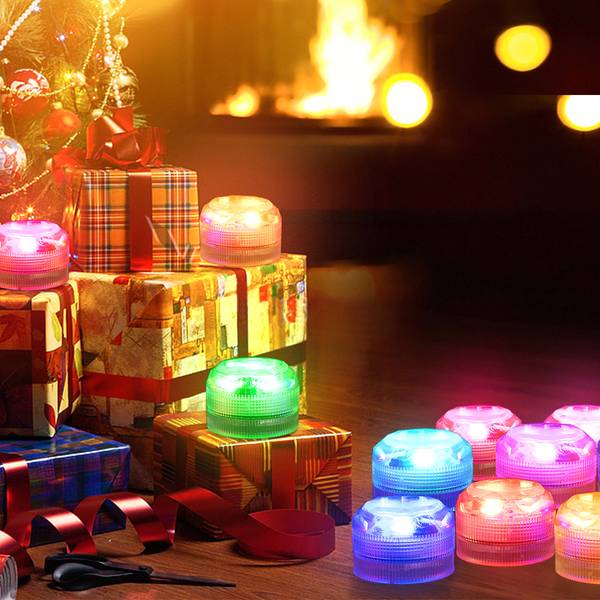
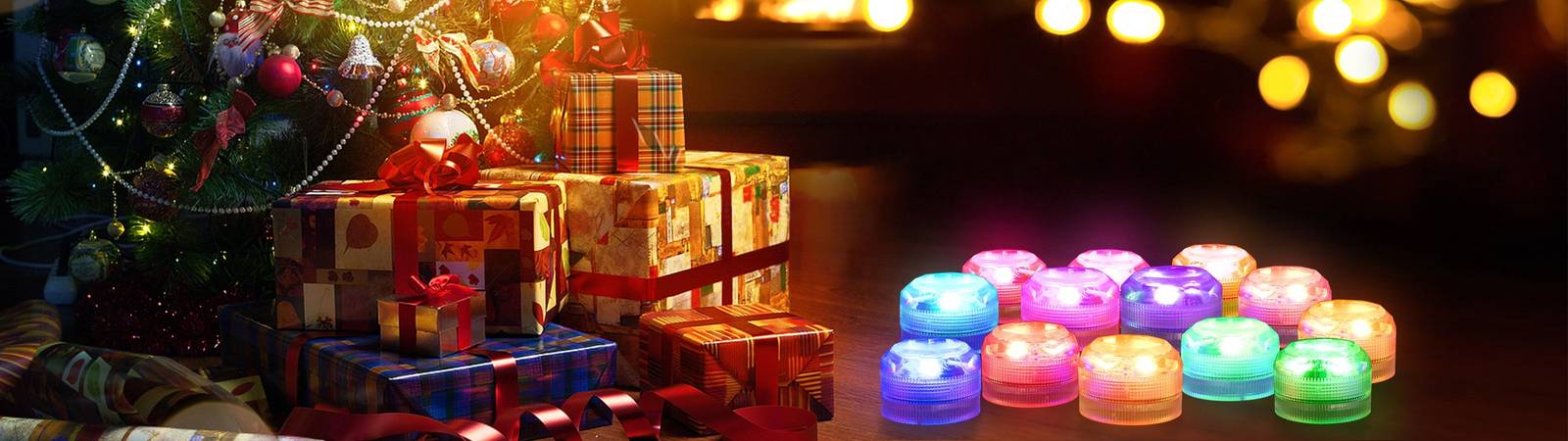
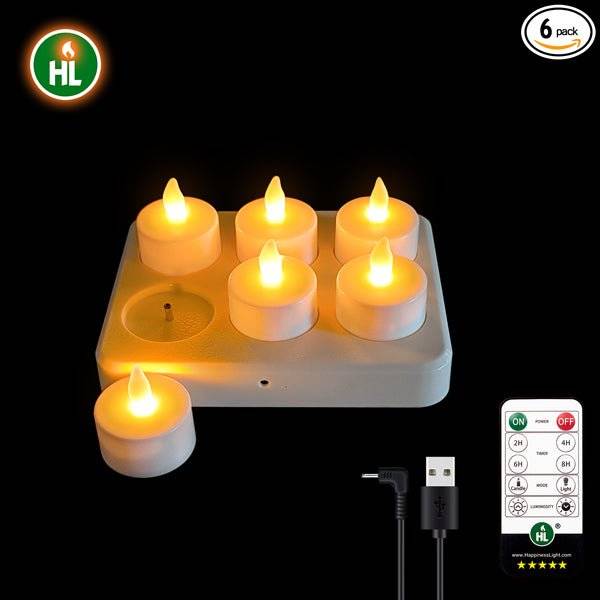
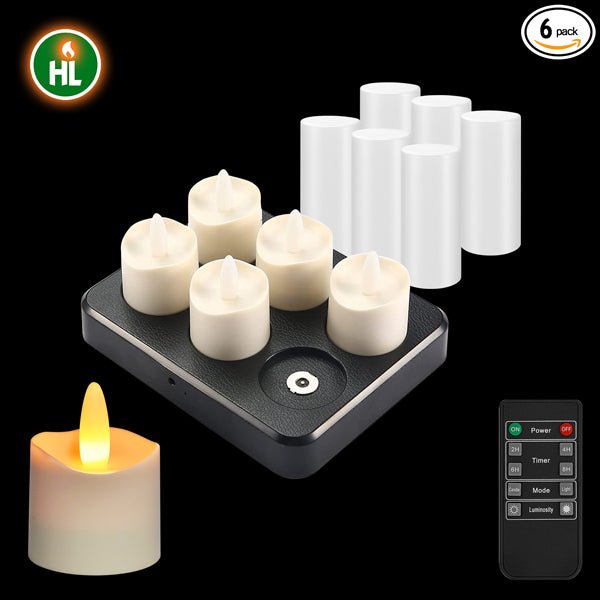
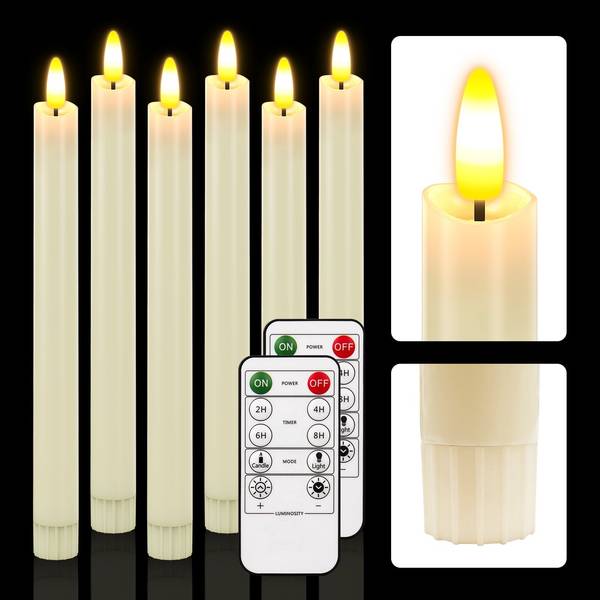
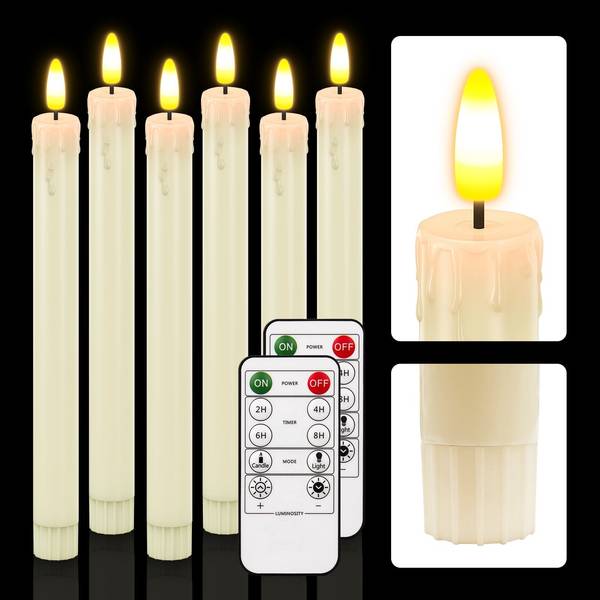
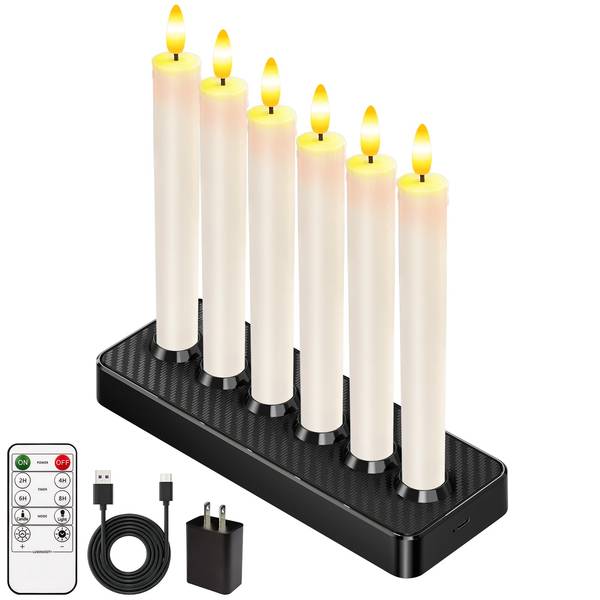
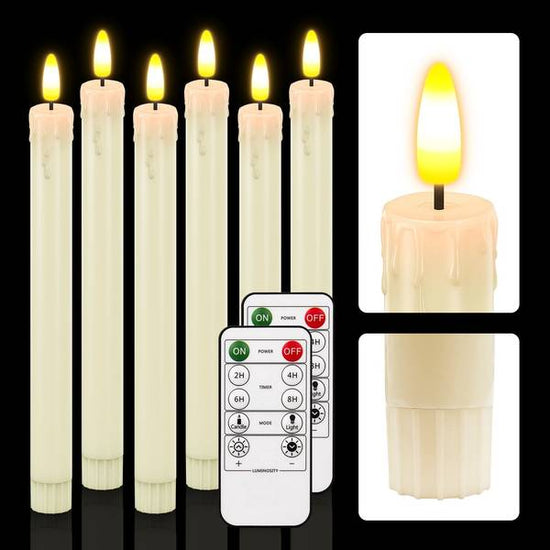
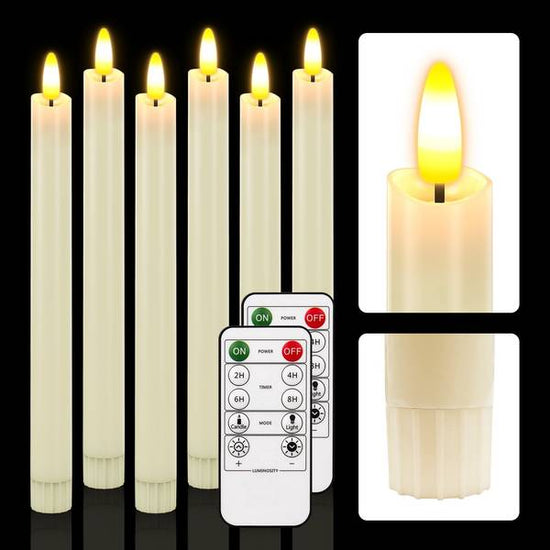
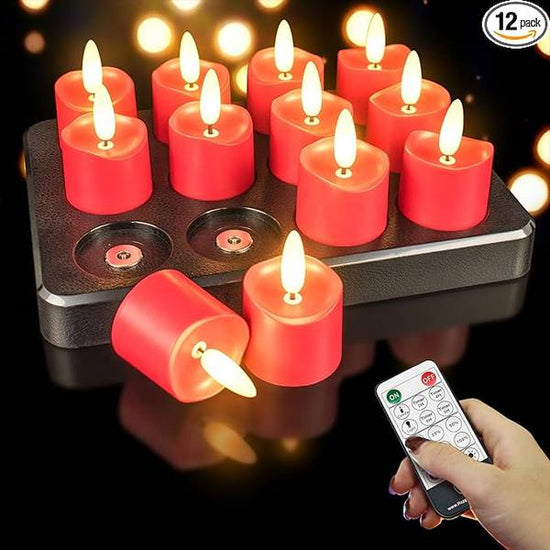
Transform Your Space with Flameless Candles Christmas DecorAs the holiday season approaches, many of us begin to envision the perfect ambiance for our celebrations. One element that can greatly enhance your Christmas decor is the use of flameless candles Christmas decor. These innovative candles provide the warm glow of traditional candles without the worry of open flames, making them an ideal choice for festive environments.Flameless candles are not only versatile but also safe, providing endless opportunities to create a cozy atmosphere throughout your home. They come in various styles, sizes, and colors, allowing you to incorporate them seamlessly into your existing holiday decor. Imagine a warm, inviting glow casting flickering shadows across your walls as you gather with loved ones around the Christmas tree.Benefits of Flameless CandlesFlameless candles Christmas decor offers numerous advantages over traditional candles: Safety: No risk of fire hazards, making them perfect for homes with children and pets. Longevity: Battery-operated, providing hours of ambient light without the need for constant replacement. Versatility: Perfect for any setting—from mantelpieces, dining tables to window sills—offering a wide range of decorative opportunities that suit your style. Realistic Appearance: Many designs mimic the look of wax candles, complete with flickering lights, creating a realistic ambiance. How to Incorporate Flameless Candles into Your Christmas DecorIntegrating flameless candles into your holiday decor is simple and allows for creativity. Here are a few ideas to get you started: Centerpieces: Use flameless candles as the focal point of your dining table by grouping them with seasonal decorations like pinecones or holly. Accent Lighting: Place these candles in lanterns on your porch or patio to create an inviting entry for guests. On the Mantle: Arrange them on your fireplace mantle surrounded by garlands or tinsel for a festive and elegant look. Window Display: Position luminary candle sets in windows to greet neighbors and passersby with a warm holiday welcome. Choosing the Right Flameless CandlesWhen selecting the perfect flameless candles Christmas decor, consider the following aspects: Size and Height: Choose a variety that complements your existing decor. Larger candles make impactful statements, while smaller ones can add subtle touches. Color Scheme: Opt for colors that harmonize with your holiday palette—rich reds, elegant whites, or even golds can elevate your decor. Features: Some flameless candles come with timers, allowing them to turn on and off automatically, which is perfect for hassle-free decorating. Materials: Look for quality materials; those with real wax exteriors convey a realistic appearance while being practical. Personalizing Your Flame-Free ExperienceFlameless candles can easily be personalized to fit your holiday themes. Consider using decorative trays to display your candles surrounded by festive items like ornaments, sprigs of greenery, or colorful ribbon. You can also mix different sizes and heights to create a layered look.For a more rustic feel, explore flameless candles with textured finishes that mimic the look of aged or distressed surfaces. Pair them with natural elements to further enhance their enchanting appearance.Bringing the Cozy Feel IndoorsThe ambiance created by flameless candles Christmas decor is unbeatable. As the nights grow longer, replace the harsh overhead lights with the soft flicker of these charming candles. Whether you’re hosting a holiday gathering or enjoying a quiet evening at home, flameless candles add warmth and comfort to any space.In addition to setting the scene, they also allow you to celebrate the beauty of candlelight without the drawbacks. Light them in any room of your house, from the living room and dining area to the bedrooms and hallways, without the danger of soot or wax drippings.Conclusion: Embrace the Magic of Flameless CandlesIn summary, investing in flameless candles for your Christmas decor brings safety, versatility, and charm into your home. They provide a stunning, stress-free alternative to traditional candles, allowing you to focus on what truly matters—creating cherished memories with family and friends.Ready to transform your holiday decor? Explore our wide selection of flameless candles Christmas decor today, and experience the magic and coziness they can add to your festive celebrations!